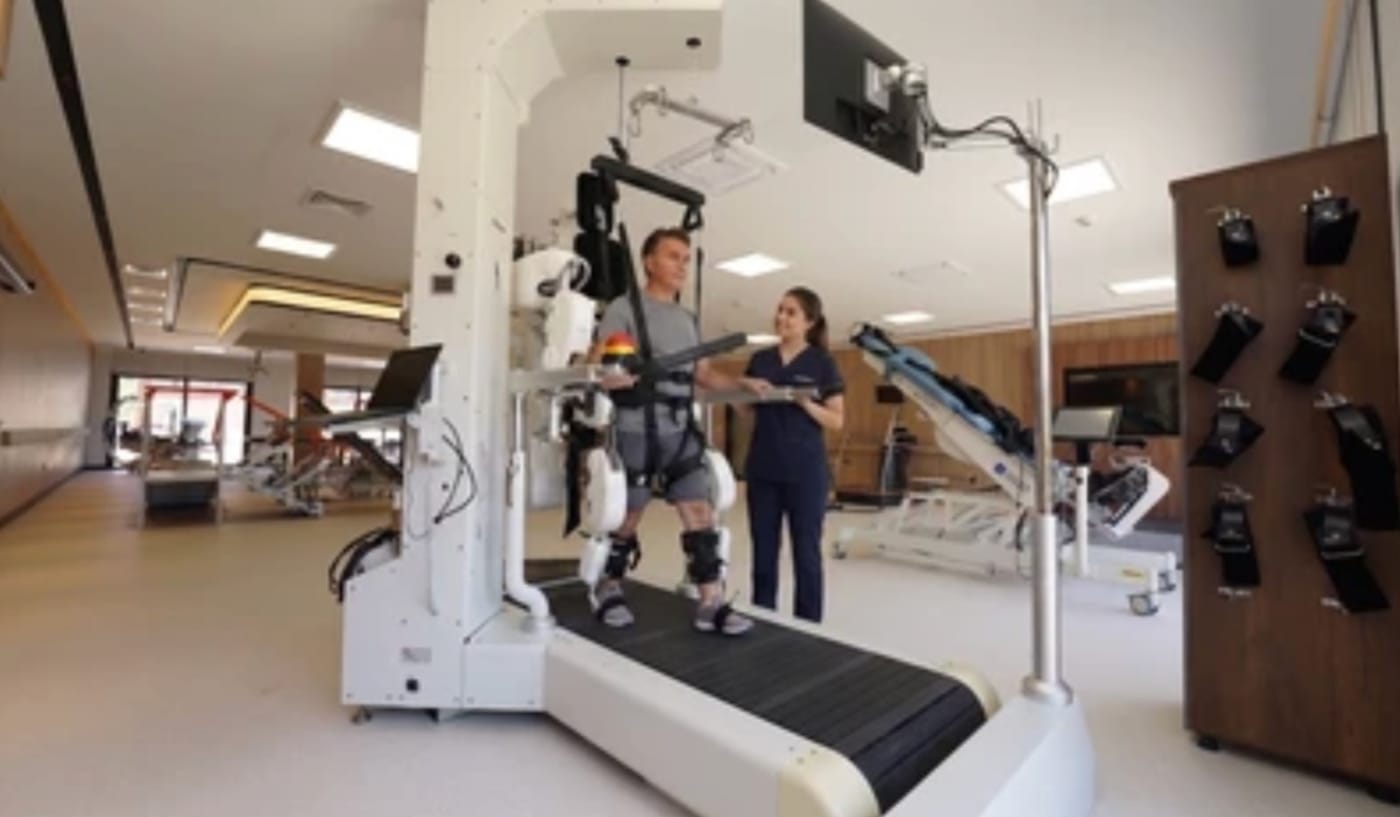
 Robotic Gait
Lokomat — Robotic Gait Trainer
Exoskeleton-guided walking on a treadmill with body-weight support, with live feedback and game-based tasks on a screen. Used after stroke, spinal cord injury and for MS.

Our partner in Northern Cyprus — the council that brings the island’s hospitals, physicians and hospitality bodies under one roof. Robotic neurological and orthopaedic rehabilitation comes first, with IVF, oncology, cardiac care, dental and plastic surgery alongside. Your case is reviewed, planned, costed and followed up through MedVoyage Global.
Most medical travel partners are one clinic or one agency. The Council sits above them: it brings the authorised health and tourism bodies together, oversees accreditation, and matches each patient with the institution that fits the case.
For you, that means one route into hospitals, rehabilitation, hotels and transfers — with MedVoyage Global holding the file throughout.
The Cyprus Healthcare Travel Council brings together the authorised health and tourism bodies in Northern Cyprus — the private hospitals association, the physicians’ and physiotherapists’ associations, hotel and travel bodies — and is supported by the Prime Ministry, the Ministry of Tourism and the Ministry of Health.
Patients are matched with internationally accredited hospitals and clinics that the Council oversees through its accreditation and consultancy work. Near East University and its hospital are the Council’s academic partner.
The Council represents Cyprus as the 54th member country of the Global Healthcare Travel Council, and held its presidency in 2023–24.
You are not navigating a council, a hospital and a hotel on your own. MedVoyage Global reviews the case, moves the records, holds the written plan, arranges the trip and stays with you after you fly home.
A regional centre for robotic rehabilitation, opened in August 2025: inpatient neurological and orthopaedic programmes with a full robotic suite, hydrotherapy and on-site rooms for the patient and a companion. At least three hours of therapy a day, six days a week.
Robotic GaitExoskeleton-guided walking on a treadmill with body-weight support, with live feedback and game-based tasks on a screen. Used after stroke, spinal cord injury and for MS.
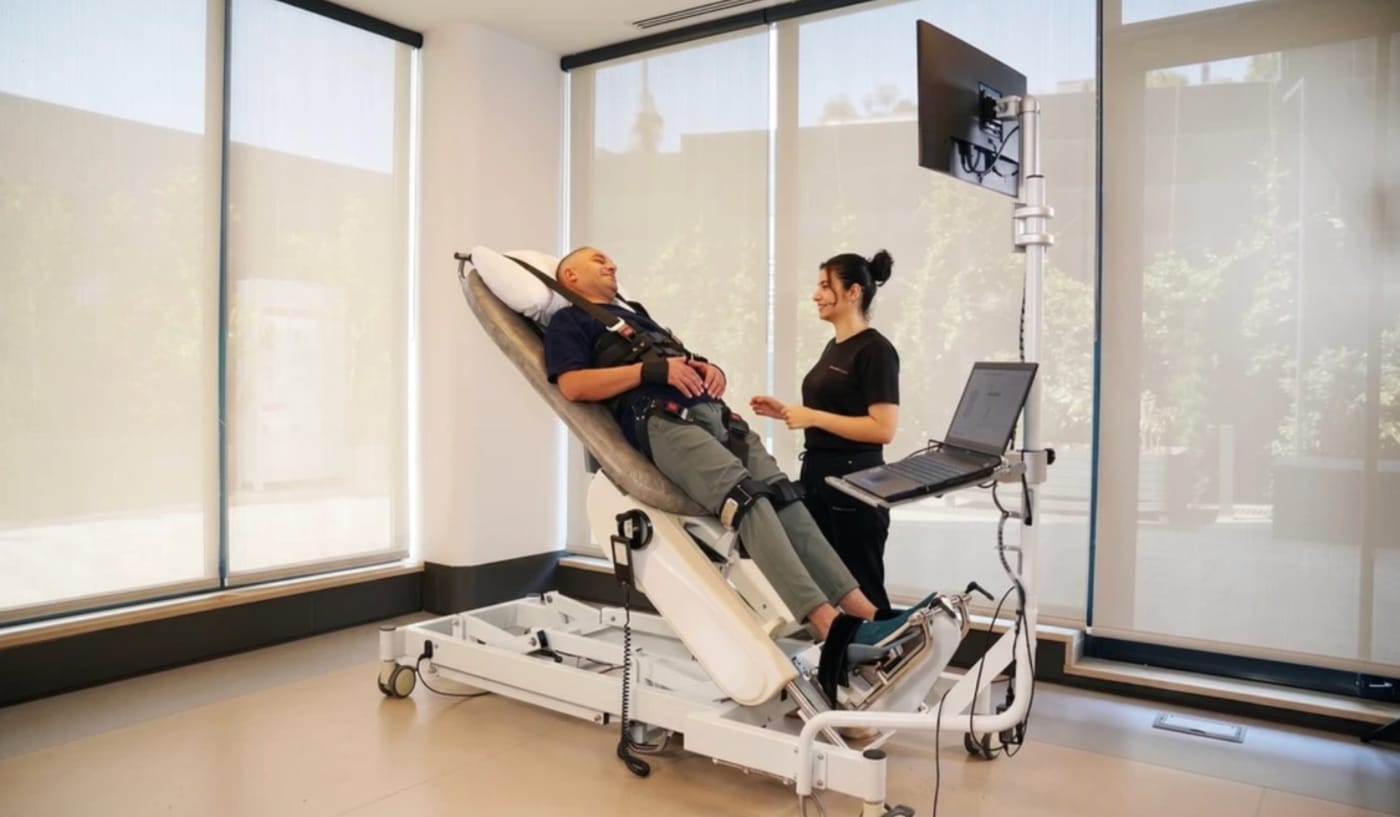 Early Mobilisation
A robotic tilt table that brings the patient upright step by step, with leg movement and stimulation. For early-stage, post-ICU and bed-bound patients.
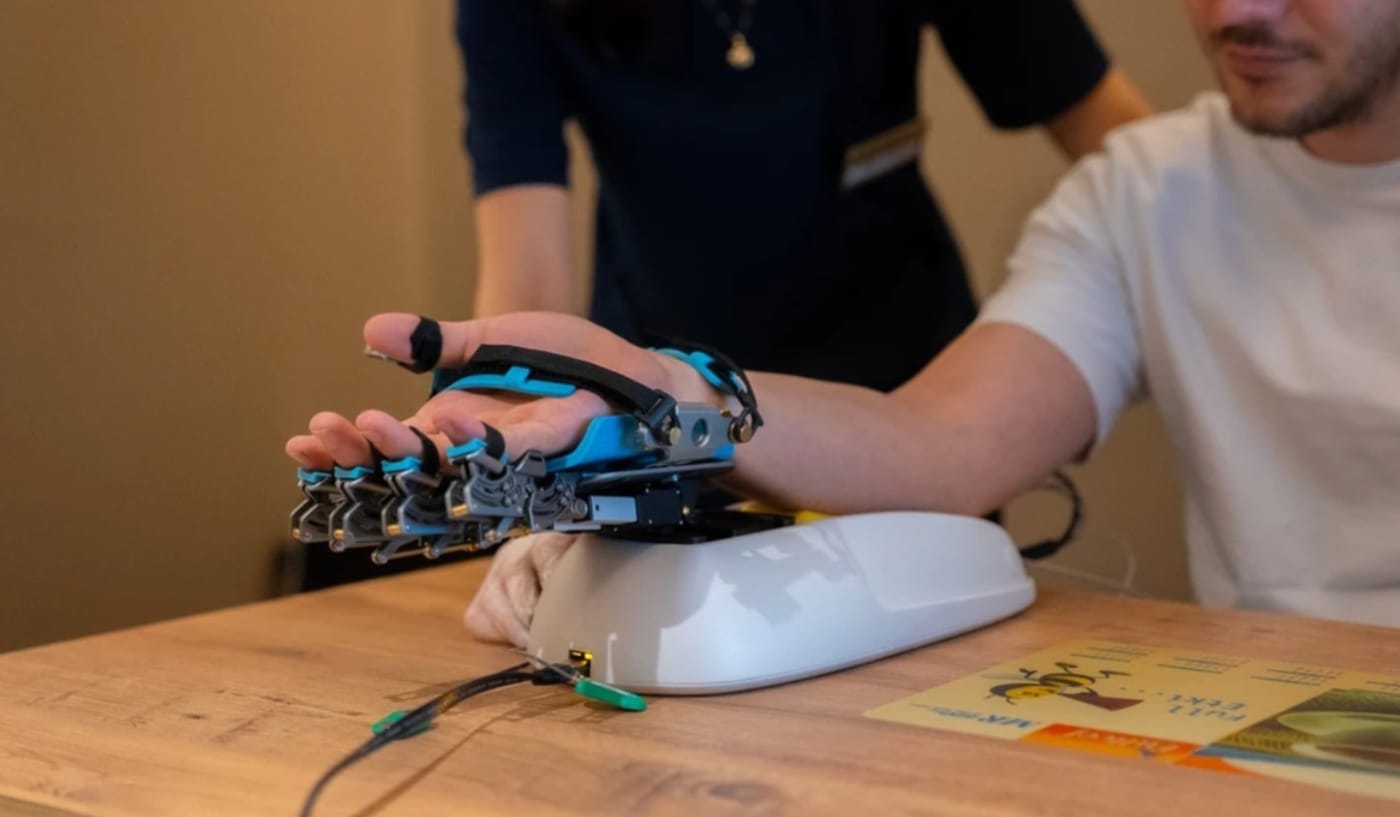 Hand & Finger
Each finger moved and measured separately — flexion and extension, grip and release — in passive, assisted and active modes. For stroke, nerve injury and after hand surgery.
 Shoulder & Arm
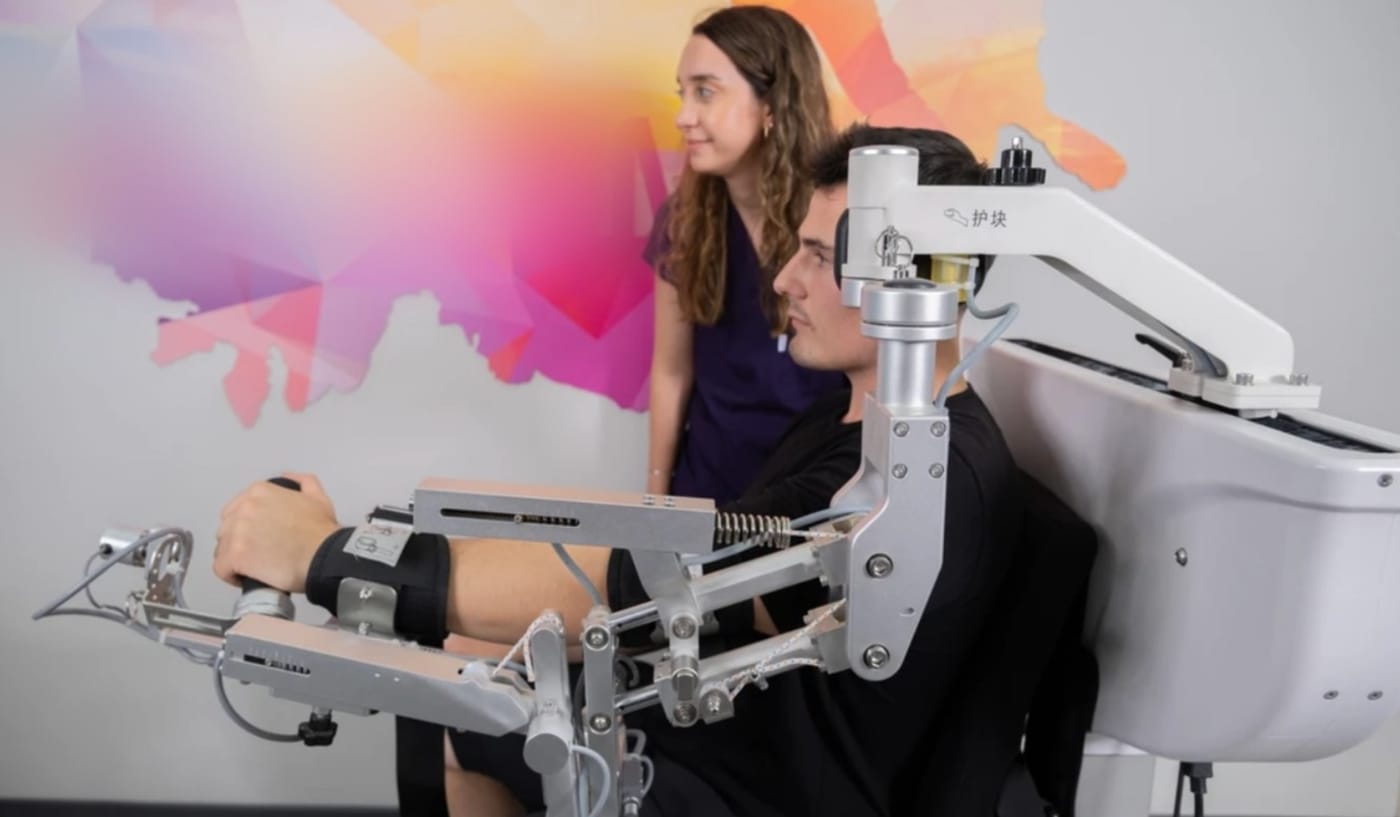
Exoskeleton support for the whole arm with gravity compensation — reach, grasp and daily-living tasks, with progress tracked session by session.
 Spine
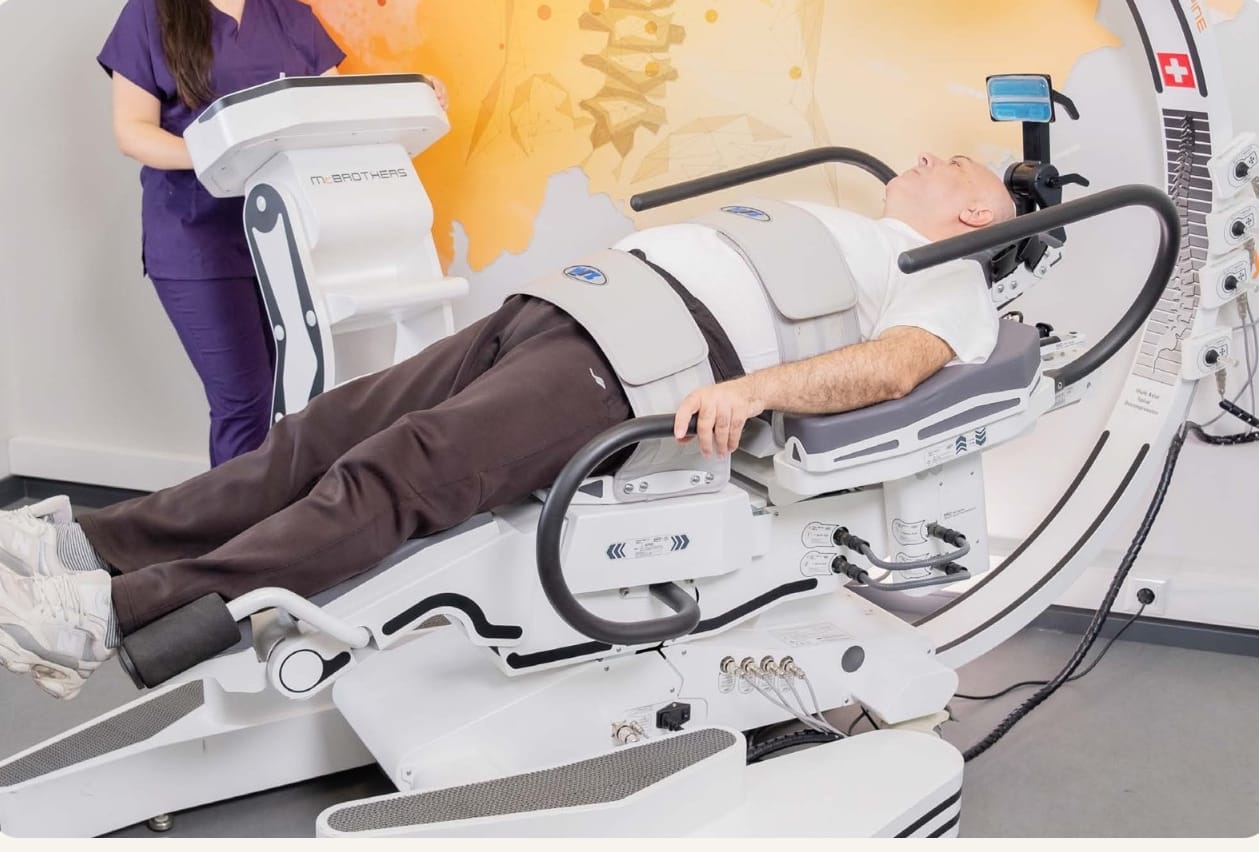
Computer-controlled, non-surgical decompression for disc herniation, sciatica and chronic back and neck pain, with sessions programmed to the patient’s MRI findings.
 Hydrotherapy
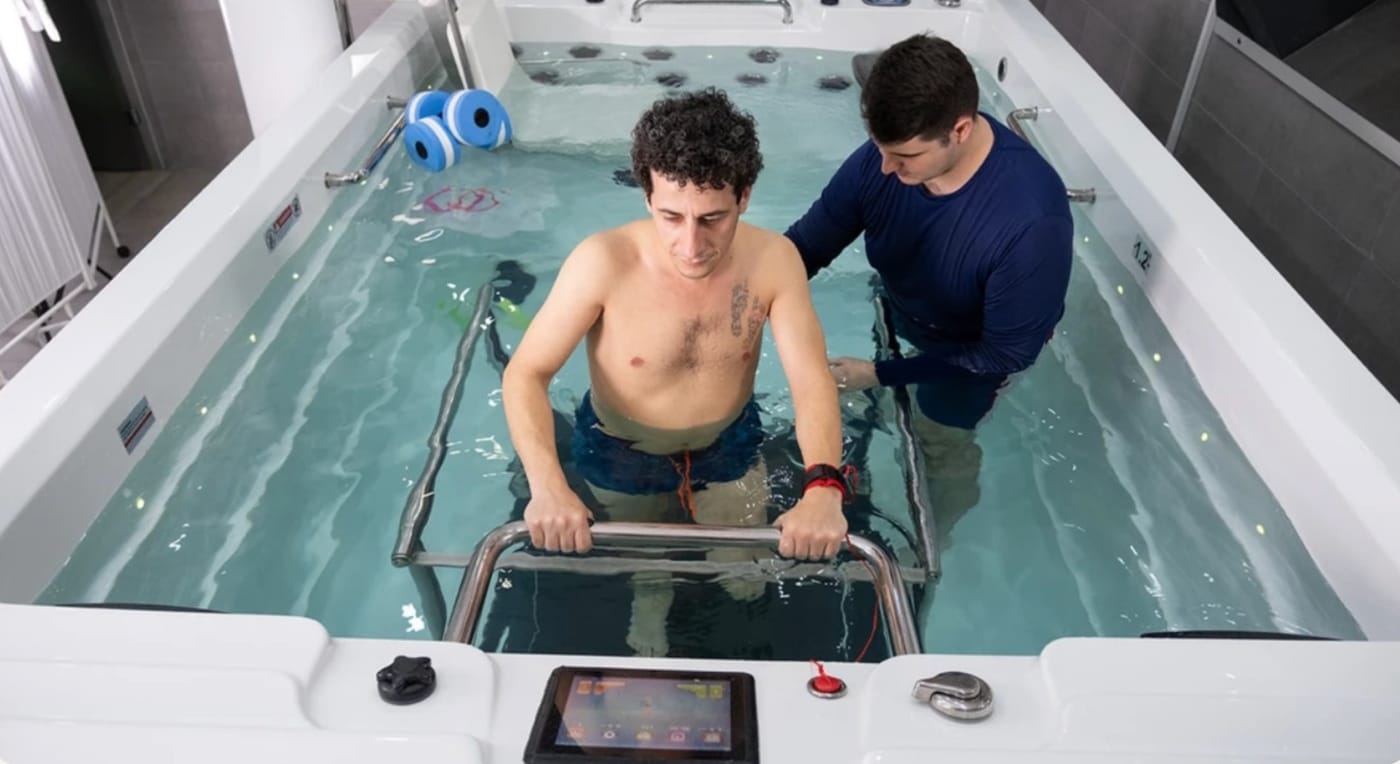
A heated pool with an underwater treadmill, handrails and a lift. Buoyancy takes load off the joints, so walking and strengthening can start in water — with the therapist in the pool every session.
Patients on an inpatient programme live at the centre, with a companion if they wish. Transfers from Larnaca, Paphos and Ercan airports are arranged for you.
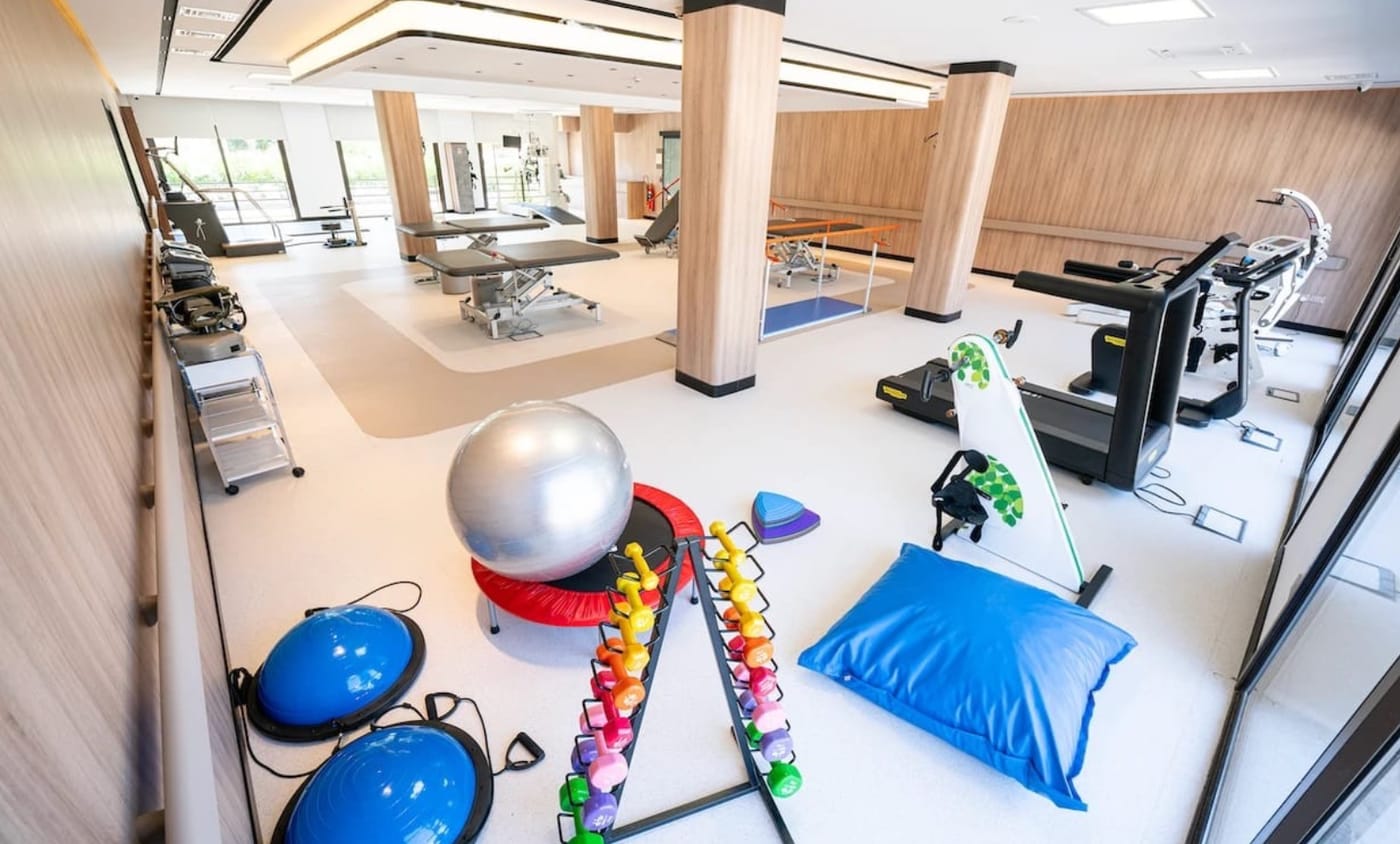
A spacious daylit hall with treatment tables, parallel bars and balance and strength equipment, next to the robotic suite.
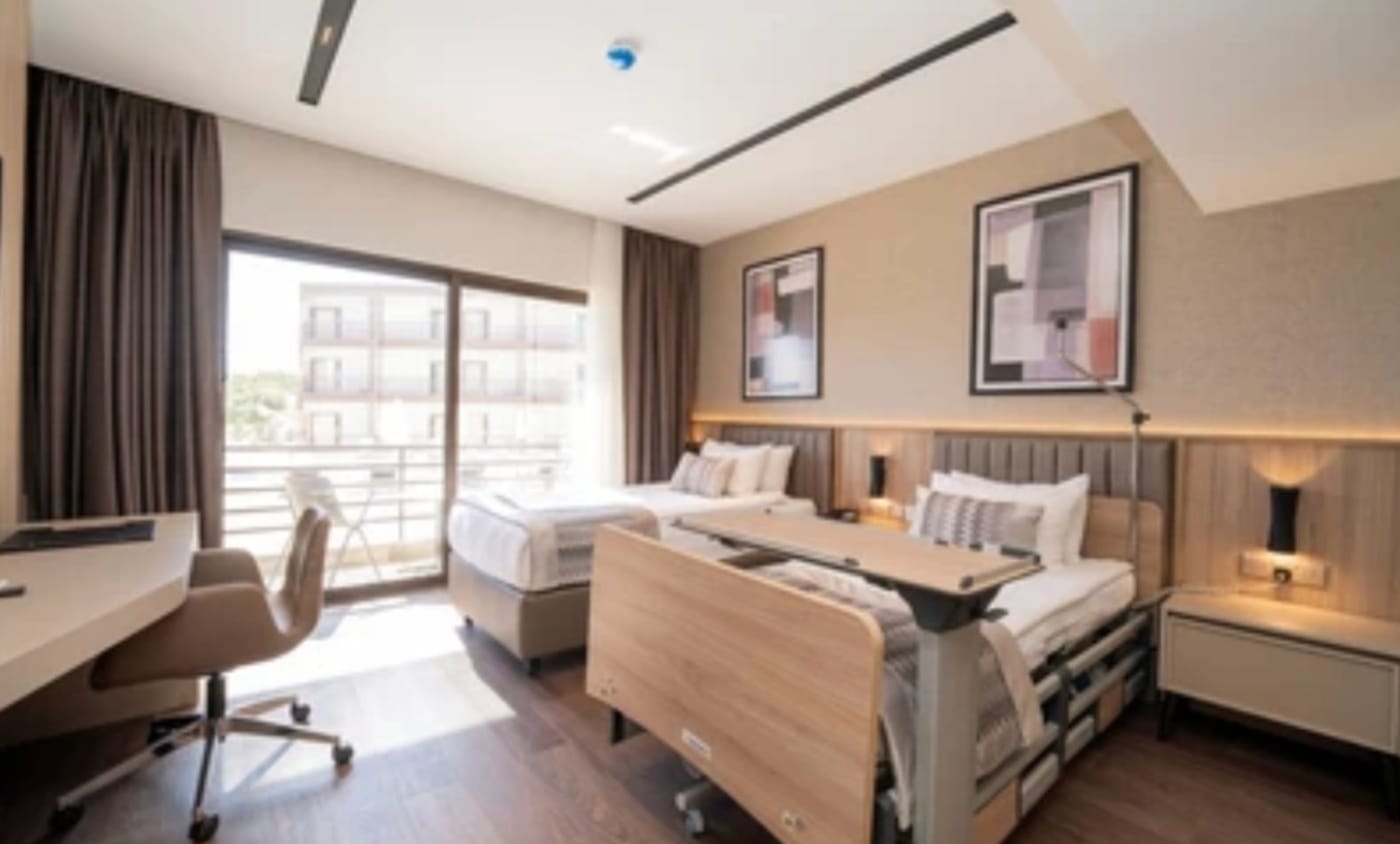
Accessible rooms with a medical bed and a companion bed, nursing on call, and therapy a lift ride away.
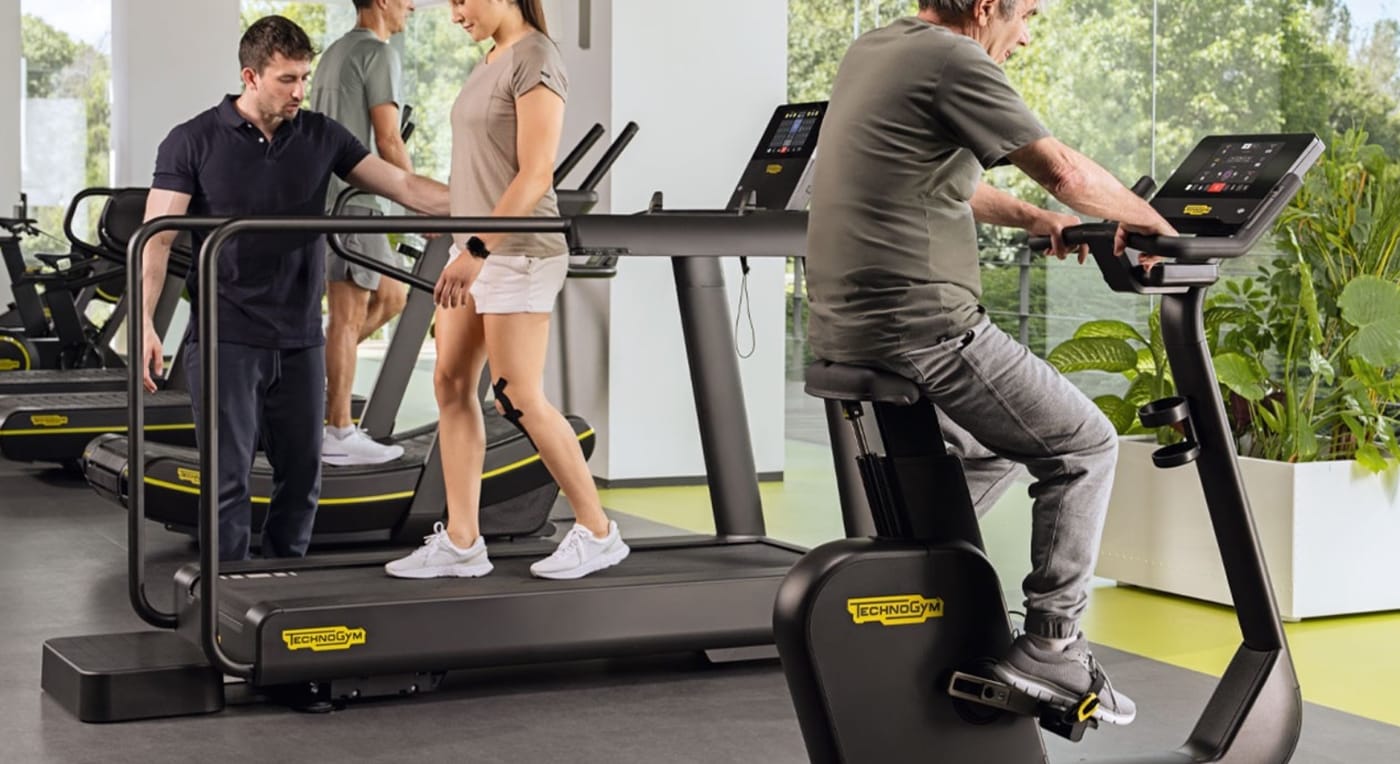
Medical-grade Technogym treadmills, bikes and strength equipment for gait, endurance and conditioning, always supervised.
Through the Council’s accredited hospitals and clinics. If what you need is not listed, describe the problem anyway and we will tell you whether it can be treated there.
Medical travel works when the journey, the cost and the timeline all make sense. Here is where each stands — including the limits.
Direct flights from most European cities to Larnaca or Paphos, with a road transfer to Northern Cyprus — Nicosia is about 45 minutes away. From the rest of the world, one connection via Istanbul to Ercan; the Istanbul–Ercan leg is 1 h 35 min.
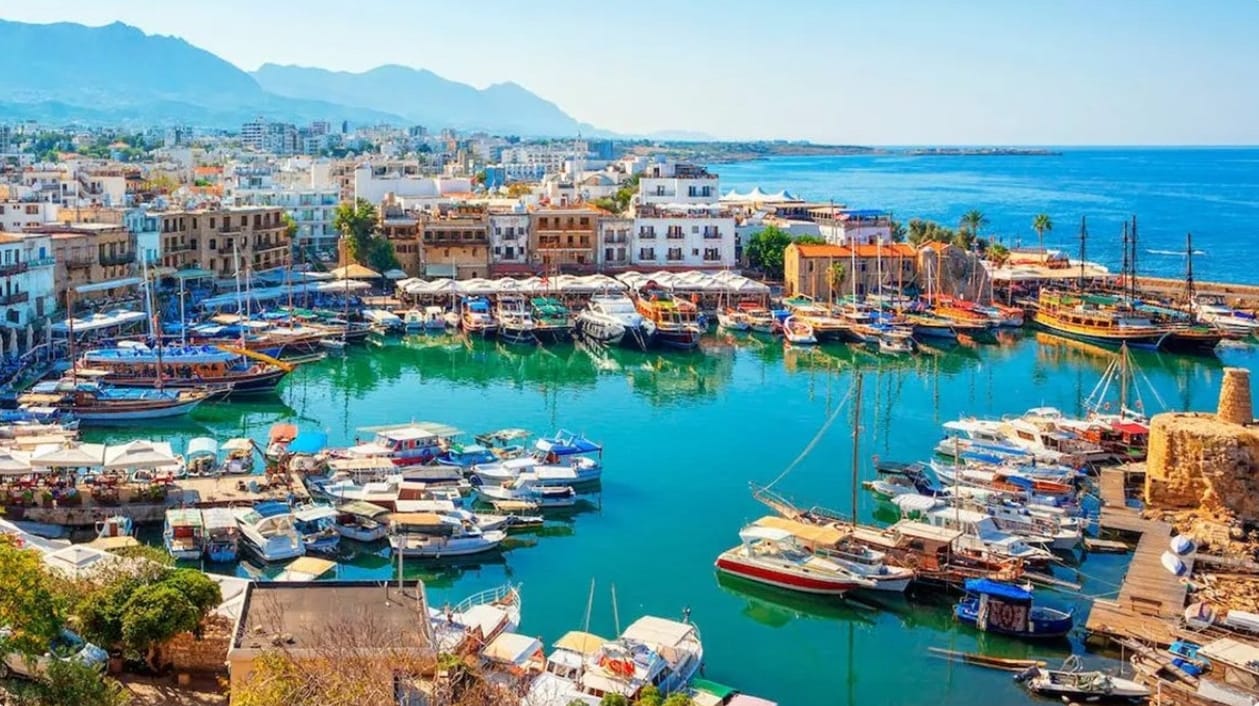
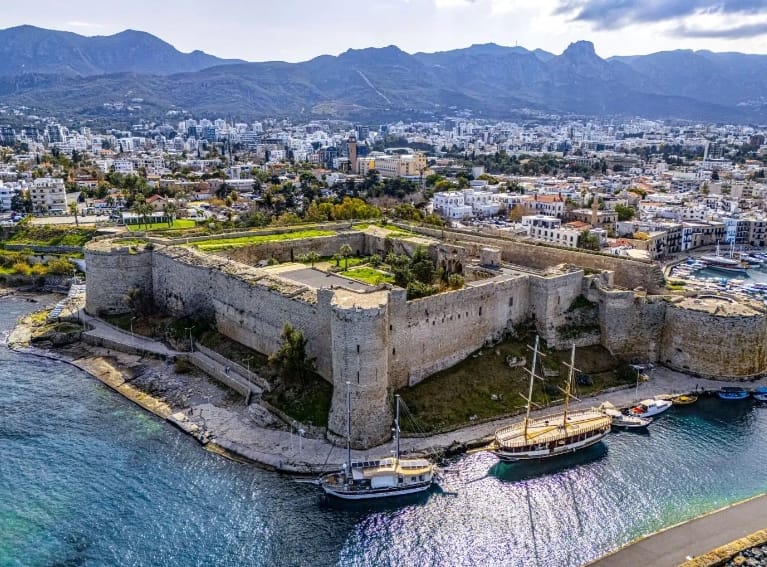
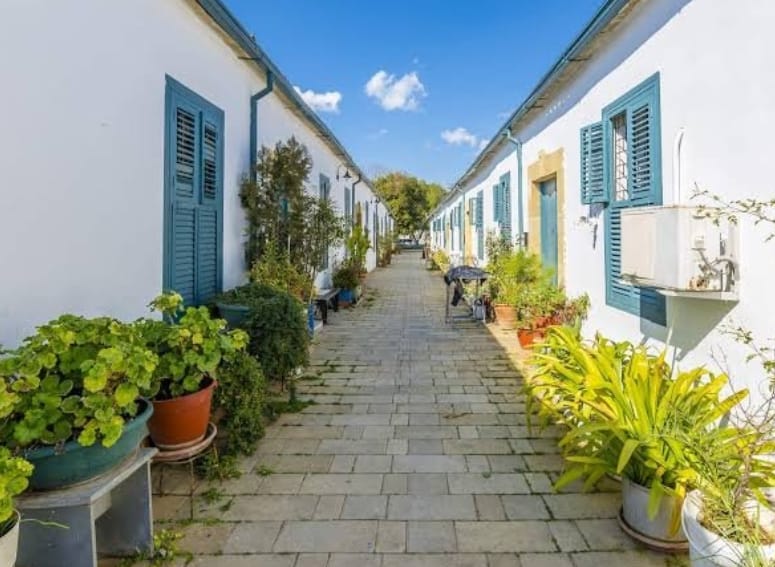
More than 300 days of sunshine a year and a ten-month sea season. Companions have castles, abbeys, walled old towns and the coast within easy reach between sessions.
Treatment in Northern Cyprus generally costs less than UK, Gulf and Western European private care. That is a range, not a price — what you pay depends on what the clinical team finds, and you get that figure in writing first.
A check-up fits in a few days. An inpatient rehabilitation programme is measured in weeks, and its length is set by the treating team after reviewing the case. Your written plan shows the real duration before you book.
The third-largest island in the Mediterranean. Between treatments, patients and companions can explore castles, abbeys and walled old towns, a 255 km walking trail and more than 25 dive sites.


The clinical work happens in Cyprus. The arranging, the paperwork and the follow-up happen here.
Your reports, scans and medical history gathered and sent ahead for the treating doctor and physiotherapist to review.
Duration, goals and an indicative cost — in writing, in English, before anything is booked.
Airport transfers from Larnaca, Paphos or Ercan, and either an on-site room at the rehabilitation centre or a hotel near the hospital.
Progress reports during the stay, online follow-up with the same team after discharge, and a home exercise programme.
You speak to your MedVoyage Global coordinator; we speak to the Council and the treating team. The plan and the cost arrive in writing before anything is booked.
Tell us what you need and send the medical reports and imaging you already have.
The treating doctor and physiotherapist review the reports — typically within 48 hours for rehabilitation cases.
We arrange a video call between you, your family and the treating team, so your questions are answered by the people who will treat you.
Once you approve the written plan, we arrange flights, transfers and accommodation, and stay with you through follow-up at home.
An island-wide ambulance network based at contracted hospitals, with teams of doctors, paramedics and first-aid-trained drivers.
Rehabilitation abroad attracts a lot of hopeful promises. Here is where the boundaries sit.
A remote review narrows the options. It cannot replace an in-person assessment. The plan that matters is the one confirmed after the team has seen you.
Any figure before an assessment is an estimate for a type of treatment, not a quotation for you. The costed plan comes in writing.
Robotic rehabilitation can help many patients regain function, but how much any one patient recovers depends on the injury, the time since it happened and their overall health. Nobody can promise that someone will walk again.
Meaningful progress usually takes weeks of daily therapy, and continues at home afterwards. A short stay cannot replace a full programme.
Some patients are not yet medically stable enough to fly. Where the answer is no, or not yet, you will be told that rather than sold around it.
Every enquiry, booking, plan and follow-up for treatment through the Cyprus Healthcare Travel Council runs through MedVoyage Global. One file, one coordinator, one place to raise a problem.
The things patients and families ask most often about treatment in Northern Cyprus. If yours is not here, ask it directly.
A body founded in 2015 to develop health tourism in Cyprus. It brings together the private hospitals association, physicians’ and physiotherapists’ associations and hotel and travel bodies, is supported by the Prime Ministry and the Ministries of Tourism and Health, and represents Cyprus in the Global Healthcare Travel Council. Through it, patients are matched with accredited hospitals, clinics and its robotic rehabilitation centre.
Adults recovering from neurological conditions — stroke, spinal cord injury, MS, Parkinson’s and traumatic brain injury — and orthopaedic patients after surgery or a fracture. Patients with disc herniation and chronic back or neck pain can also be treated with non-surgical spinal decompression. Whether a programme suits you is decided by the treating team after reviewing your reports.
Yes. The rehabilitation centre has accessible rooms with a medical bed and a companion bed, with nursing on call and therapy a lift ride away. Hotels near the hospital are also available.
From Europe, fly direct to Larnaca or Paphos and transfer by road — Nicosia is about 45 minutes from Larnaca. From elsewhere, connect via Istanbul to Ercan Airport, which is 15 minutes from Nicosia. Transfers are arranged for you. Crossing points are open 24/7, and EU and most other passports need no visa, but check the rules for your own passport before you book.
It depends on the treatment and, for rehabilitation, on how many weeks the programme runs. Treatment in Northern Cyprus generally costs less than UK, Gulf and Western European private care, but that is as far as an honest answer goes without a review. Send your reports and you will get a written plan with a cost rather than a headline figure.
Your case is handled in English by your MedVoyage Global coordinator from the first message onward, and language support is provided at every stage of the stay.
You leave with a home exercise programme, and online follow-up sessions continue with the same team. If anything needs raising, you contact your MedVoyage Global coordinator, who holds your file and takes it up with the treating team.
Tell us what you need and send the medical reports and imaging you have. The treating team in Northern Cyprus reviews them and you get back a written plan — goals, duration and roughly what it costs — before you book a flight.
All enquiries, bookings and follow-up for treatment through the Cyprus Healthcare Travel Council are handled by MedVoyage Global. Nothing on this page is medical advice, a diagnosis, a quotation or a promise of a particular outcome. Treatment decisions are made by the treating clinician after an assessment.